
The Origins of Gambling
The origins of gambling can be traced back thousands of years, with archaeological evidence suggesting that ancient civilizations engaged in games of chance as early as 3000 BC. In places like Mesopotamia, people used dice made from animal bones, which are some of the earliest forms of gambling. The act of wagering has often been tied to various cultural rituals, reflecting the human desire for excitement and the uncertainty of fate. This illustrates that gambling has always been an integral part of human society, spanning various cultures and epochs, much like how winissimo-uk.com/ illustrates modern gaming trends.
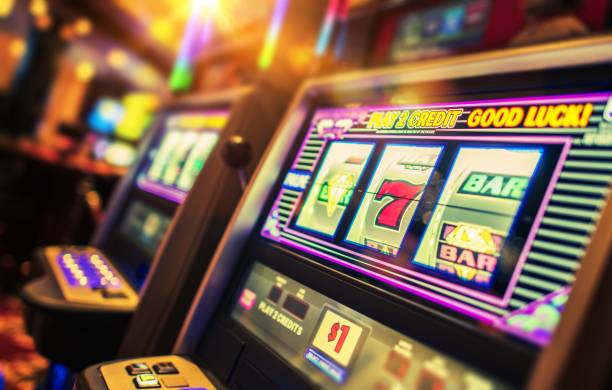
The ancient Greeks and Romans further popularized gambling, integrating it into their cultural practices. They developed various games and betting methods, often incorporating them into social gatherings and festivals. For instance, the Romans had a penchant for dice games and even created specific laws governing gambling activities. These early examples set the stage for casinos as formalized venues where gambling could take place, demonstrating the longstanding appeal of games of chance.
As societies evolved, so did gambling activities. In medieval Europe, the Church often condemned gambling, yet it continued to flourish underground. The emergence of gambling houses in Italy during the Renaissance marked the first steps towards the modern casino, as these establishments began to offer structured environments for gambling. This period heralded a cultural shift where gambling was no longer merely a private affair but a social experience, paving the way for the casinos we know today.
The Birth of Modern Casinos
The first official casino, the Casino di Venezia, opened its doors in Venice in 1638, marking a monumental shift in the world of gambling. This establishment provided a lavish setting where patrons could enjoy games of chance while socializing in an opulent environment. The concept quickly spread across Europe, with countries like France and Germany establishing their own casinos that combined gaming, dining, and entertainment. The casino became a cultural institution, attracting the elite and shaping societal norms around gambling.
During the 18th and 19th centuries, the casino experience continued to evolve. The introduction of new games like roulette and baccarat captivated players and became synonymous with luxury and high society. The glamour of casinos was further amplified by the likes of Monte Carlo, which became a playground for royalty and affluent individuals. This period solidified the image of casinos as exclusive venues for entertainment and leisure, firmly embedding them into the cultural fabric of Europe.
As the 20th century approached, the United States became a new frontier for casinos. The first casino in the U.S. opened in New Orleans in the early 1800s, but it was the legalization of gambling in Las Vegas during the 1930s that revolutionized the industry. Las Vegas transformed into a beacon of entertainment, attracting millions of visitors each year. This evolution not only changed the landscape of gambling but also influenced cultural perceptions of casinos, merging them with themes of excess, entertainment, and adventure.
The Global Expansion of Casinos
The latter half of the 20th century witnessed a significant global expansion of casinos, with many countries recognizing the economic potential of legalized gambling. Nations like Australia, Canada, and various Asian countries began to establish their own casino industries, often incorporating cultural elements unique to their regions. This global phenomenon not only provided economic boosts but also diversified the gambling experience, allowing for new games and cultural interpretations of traditional gambling practices.
In Asia, particularly in Macau, the casino scene exploded in popularity, rivaling Las Vegas as a gambling destination. The incorporation of luxury resorts and entertainment options transformed Macau into a thriving hub for gambling tourism. This not only showcased the adaptability of casinos to different cultural contexts but also highlighted the growing acceptance of gambling as a mainstream entertainment choice across various societies.
Digital technology has further accelerated the evolution of casinos in the 21st century. Online casinos emerged, providing players with the convenience of gambling from their homes. This shift democratized access to gambling, allowing individuals who may not have the means or desire to visit a physical casino to engage with their favorite games. With the rise of mobile gaming and virtual reality casinos, the landscape is continually evolving, reflecting both technological advancements and changing consumer preferences.
Responsible Gambling Practices
As the gambling industry has grown, so have concerns about responsible gaming. The potential for addiction and financial strain has led to a greater emphasis on promoting responsible gambling practices. Many modern casinos, both physical and online, are now prioritizing the well-being of their customers by implementing self-exclusion programs, setting betting limits, and providing resources for those who may struggle with gambling-related issues. This commitment to responsible gaming reflects an understanding of the societal impact that casinos can have.
Education plays a crucial role in encouraging responsible gambling. Casinos are now investing in programs to inform patrons about the risks associated with gambling. This includes workshops, informational materials, and partnerships with organizations dedicated to addressing gambling addiction. By fostering an informed customer base, the industry aims to create a safer gambling environment while still allowing individuals to enjoy the entertainment that casinos offer.
Moreover, regulatory bodies have become increasingly proactive in establishing guidelines and standards that casinos must adhere to. Governments around the world recognize the importance of balancing the economic benefits of casinos with the need to protect consumers. This evolving regulatory landscape ensures that responsible gambling remains at the forefront of casino operations, creating a safer and more enjoyable experience for all patrons.

Winissimo Casino: A Modern Gaming Experience
Winissimo Casino stands out as a prime example of how the evolution of casinos has adapted to modern preferences. With a wide array of over 4,000 games, including top slots and live dealer experiences, it caters to various gaming tastes and styles. The platform has been designed with user engagement in mind, offering features that enhance the gaming experience while maintaining high standards of security and fairness, as mandated by the UK Gambling Commission.
The casino is committed to responsible gambling, providing tools and resources to ensure that players engage in safe gaming practices. New users are welcomed with attractive offers, including bonuses and free spins, which reflect the competitive nature of the online casino industry. Winissimo Casino emphasizes customer support, ensuring that players have access to assistance and guidance, reinforcing its reputation as a trusted platform.
In this digital age, Winissimo Casino exemplifies how traditional gaming concepts have been transformed into a modern, online experience. By marrying innovation with responsibility, it continues to attract players while promoting a safe and enjoyable gaming environment. As the casino landscape evolves, establishments like Winissimo will be at the forefront of this journey, shaping the future of gambling in a culturally rich and responsible manner.