
The Intrinsic Thrill of Gambling
The excitement of gambling stems largely from the thrill associated with risk-taking. Many individuals find that placing a bet activates their brain’s reward system, releasing dopamine and creating feelings of pleasure, such as those experienced when exploring dude-spin.nz. This biological response explains why gambling can be so intoxicating; it taps into our innate desire for excitement and unpredictability. The anticipation of winning can create a euphoric state, transforming a mundane moment into an electrifying experience.

Additionally, the unpredictability of gambling outcomes enhances the thrill. Whether it’s the spin of a roulette wheel or the flip of a card, the uncertainty heightens emotional investment. The psychological concept of variable reinforcement also plays a role here; when wins are infrequent but significant, the potential for a big payoff keeps players engaged. This cycle of hope and reward can lead to a compulsive need to gamble more, as each loss is often followed by the belief that the next bet could yield success.
Moreover, the social aspect of gambling contributes to its allure. Many people visit casinos or participate in online gaming not just for the betting but also for the social interaction that accompanies it. Engaging with others who share the same passion can amplify feelings of excitement, making the entire experience more enjoyable. This communal aspect reinforces a sense of belonging, further entwining the thrill of gambling with personal connections and social dynamics.
The Role of Cognitive Biases
Cognitive biases significantly impact how people perceive gambling outcomes. One common bias is the illusion of control, where individuals believe they can influence results through their actions or strategies. This belief can lead gamblers to make riskier decisions, convinced that their choices will lead to victory. Such thinking skews their understanding of probability and increases the likelihood of continued play, even in the face of repeated losses.
Another prevalent cognitive distortion is the gambler’s fallacy, the belief that past events influence future outcomes in random games. For instance, if a particular number hasn’t appeared in a while, a player may assume it is “due” to win. This misunderstanding of chance can perpetuate the cycle of gambling, as players chase after losses or convince themselves that their lucky streak will continue. Recognizing these biases is crucial for understanding the psychological mechanics at play in gambling behaviors.
Furthermore, the framing of gambling experiences can enhance these biases. How options are presented can affect decision-making processes, often leading individuals to overlook the odds of winning. Casinos and online gaming platforms often design their environments to maximize excitement and engagement, utilizing flashy lights, sounds, and enticing promotions. This sensory overload can cloud judgment, encouraging players to take risks they might otherwise avoid, driven by a misperception of their chances.
The Impact of Emotion on Gambling Behavior
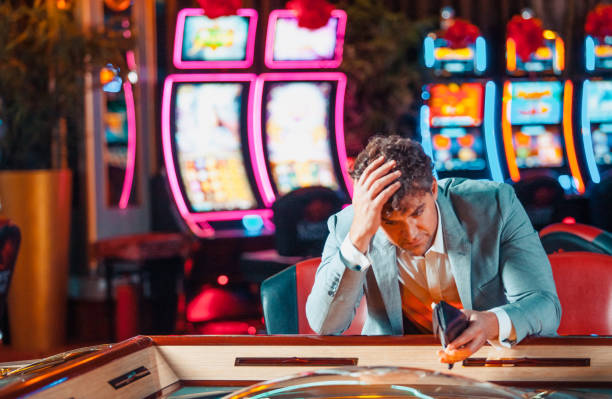
Emotion plays a critical role in gambling, often overshadowing rational thought. Many individuals gamble as a means of coping with stress, anxiety, or boredom, seeking an escape from their daily lives. This emotional connection can create a cycle where negative feelings prompt gambling, and the outcomes — whether wins or losses — further exacerbate emotional states. Winning may provide temporary relief, but losses can lead to guilt and desperation, compelling individuals to gamble even more.
The interplay of hope and despair in gambling is fascinating. Each time a player places a bet, they are essentially betting on the possibility of change — a way to alter their current circumstances. This constant longing for a positive shift can lead to compulsive behaviors, as people begin to identify more with their gambling persona than their real-life challenges. This psychological investment can create a dangerous loop, where the need for emotional highs drives further gambling.
Moreover, the ability to share gambling experiences online has heightened these emotional impacts. Social media platforms and online forums allow individuals to celebrate wins or commiserate losses together, creating a shared emotional landscape. While this can provide a sense of community, it can also normalize risky behaviors, encouraging players to gamble more in an effort to gain acceptance or recognition from peers. The emotional stakes of gambling, thus, extend beyond individual experiences and are influenced by the wider social context.
The Consequences of Gambling Addiction
The thrill of gambling can morph into addiction for some individuals, leading to severe consequences that permeate personal and social life. Gambling addiction is characterized by a persistent urge to gamble, often resulting in financial, emotional, and relational instability. Those affected may go to extreme lengths to fund their habits, risking their financial security, personal relationships, and mental health. The consequences extend beyond the individual; families and communities often bear the brunt of the emotional fallout.
From a psychological perspective, gambling addiction can be viewed through the lens of behavioral conditioning. The pleasurable feelings associated with winning can become a powerful driver, reinforcing a cycle where the gambler continues to return, even against their better judgment. This cycle of reinforcement can be difficult to break, as cravings become more intense and rational decision-making diminishes. Understanding these mechanisms can facilitate more effective interventions for those seeking help.
Moreover, societal perceptions of gambling can further complicate addiction recovery. While it is often glamorized in media and popular culture, the darker realities of gambling addiction are frequently stigmatized. This stigma can lead to shame and isolation, making it challenging for individuals to seek the help they need. Comprehensive support systems that address both the psychological aspects and the social stigma of gambling addiction are essential for effective recovery and rehabilitation.
DudeSpin Casino: A Secure Environment for Gaming
DudeSpin Casino provides a modern platform for gamers that combines a vibrant gaming experience with an emphasis on safety and responsible gambling. Catering to New Zealand players, the casino boasts a wide selection of games, including classic slots, table games, and live dealer options. Its user-friendly interface ensures that both new and seasoned players can navigate effortlessly while enjoying a thrilling gaming experience.
The platform’s commitment to player safety is evident through robust security measures and a focus on responsible gaming practices. With 24/7 live chat support, players can feel reassured that assistance is readily available when needed. This emphasis on player protection fosters a safer gambling environment, allowing individuals to enjoy their favorite games while minimizing the risks associated with gambling.
DudeSpin Casino also recognizes the importance of creating engaging experiences for its users. With generous welcome packages and exciting promotions, the casino strives to create a community where players can thrive and enjoy their time. By balancing entertainment with safety, DudeSpin Casino exemplifies a modern approach to online gaming, ensuring that players can indulge in the thrill of gambling without compromising their well-being.